
Belarus and Russia’s Joint Fighter Production: A New Chapter in Defense Cooperation
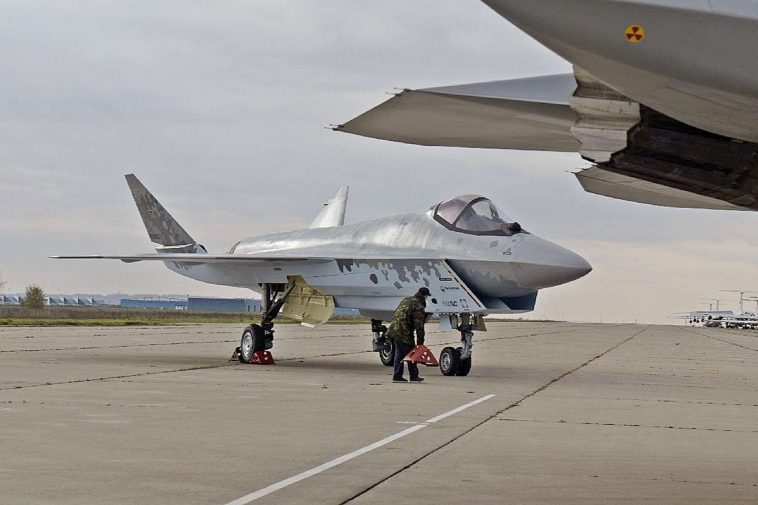
The recent announcement regarding the joint production of the Su-75 Checkmate stealth fighter by Russia and Belarus marks a significant turning point in the global defense industry. As the prototype enters its final assembly stage and moves steadily toward bench testing, it is hard to ignore the far-reaching implications of this development. This opinion piece will take a closer look at the evolving defense partnership between these two countries, examine the strategic, economic, and industrial aspects that influence the project, and discuss how this initiative could reshape power balances both regionally and internationally.
Understanding The Strategic Shift: Joint Production and Its Impact
Over recent years, the defense world has often been full of problems and loaded with issues when it comes to international collaboration on high-tech military systems. The Su-75 Checkmate project, now on the brink of entering a critical testing phase, represents both an opportunity and a challenge for the Russia–Belarus Union State. Many see it as a smart move to share costs and reduce risks, especially amid tough sanctions and global wartime pressures.
The project signals a new era where industrial collaboration is key to reducing acquisition expenses while still striving to maintain competitive performance levels on the international stage. With the prototype anticipated to have its first flight in early 2026, the joint production agreement underlines the super important need for partners to look beyond traditional methods and drive innovation in air combat technology.
Examining the Su-75 Checkmate’s Role in Modern Defense
The Su-75 Checkmate is conceived as a light, single-engined, fifth-generation tactical fighter designed with low observable characteristics to reduce its radar signature. It is being pitched not only as an effective alternative to Western fighters, such as the F-35, but also as an adaptable platform for emerging markets that seek efficient, cost-effective fighter solutions. Its proposed performance—as highlighted by a top speed near Mach 1.8, a combat radius of almost 3,000 kilometers, and a service ceiling of around 16,500 meters—is indicative of its potential in roles that include air superiority, ground attack, and long-range maritime strike.
One of its key selling points is its modular architecture. This design enables easy integration with different avionics systems, electronic warfare suites, and weapons configurations. With this flexibility, customers from diverse regions—ranging from the Middle East to Asia-Pacific—can adapt the aircraft to meet their unique operational needs. In a market where every little twist matters, the Checkmate’s design approach offers potential buyers the ability to fine-tune the fighter to their tactical and budgetary requirements.
Lower-Cost Yet Capable: The Appeal of a Single-Engine Fighter
For many air forces, the high costs associated with twin-engine fighters like the Su-57 and F-35 can be intimidating. The Checkmate’s single-engine design promises not only streamlined logistics but also reduced acquisition and operating costs. This is especially important for countries that must figure a path through budget constraints while still maintaining a capable defense force.
There are several key aspects that highlight why this approach could be a game-changer:
- Cost Efficiency: Lower operating costs mean that air forces can invest more in training, support, and other critical infrastructure.
- Operational Flexibility: With its modular design, the aircraft can be outfitted for a variety of missions without having to commit to a one-size-fits-all configuration.
- Ease of Maintenance: The simpler, single-engine configuration could allow for easier servicing and lower logistical burdens over the aircraft’s lifetime.
This focus on cost efficiency while still delivering a robust performance package is an attractive asset in today’s market, especially for states that have been searching for alternatives to expensive, Western-supplied fighters.
Industrial Collaboration Amid Sanctions and Wartime Pressures
The decision to involve Belarus in the production process goes well beyond simple cost sharing. It serves as a critical move for Russia to spread the risk and manage the tricky parts of an increasingly off-putting sanctions landscape. By integrating Belarus into the supply chain, Russia can tap into additional industrial capacities and spare its own production lines from being overburdened by fiscal constraints and wartime production needs.
This joint venture helps both countries manage the confusing bits of international sanctions, while also signaling a stronger political and military alignment. The involvement of Belarus not only boosts its industrial competence but also cements its role as a key partner in the Russia–Belarus Union State. This partnership can help both nations steer through economic and political headwinds, especially at a time when the global defense market is highly competitive and filled with tense challenges.
Implications for the Global Defense Market
The Checkmate’s potential success, if the program transitions smoothly from prototype to full-scale production, could have significant repercussions for the global fighter market. Its promise as a lower-cost alternative to U.S. and Chinese designs positions it to be highly appealing in markets where robust capability is needed but budget constraints remain an ever-present reality.
There are a few sub-points to consider regarding its future in the global arena:
- Export Potential: Many nations in markets such as Latin America, Africa, and parts of Asia might welcome a cost-effective, highly configurable fighter that can be adapted to various combat roles.
- Competition With Established Models: While the F-35 has set a high benchmark through international cooperation and substantial funding, the Su-75’s ability to offer a competitive mix of cost, performance, and local production appeal cannot be understated.
- Strategic Messaging: By promoting the Checkmate as both technically competent and budget-friendly, Russia and Belarus are sending a clear signal to potential customers used to the nerve-racking process of verifying a platform’s cost-effectiveness and adaptability.
In many respects, the Checkmate serves as a symbol of shifting defense strategies, where even amidst convoluted international scenarios, adaptability and cost control remain key factors for success. How the aircraft performs in drawing firm export orders remains to be seen, but its conceptual appeal is already causing considerable buzz in defense circles.
Regional Security Concerns and NATO’s Perspective
The establishment of a stealth fighter production facility in Belarus should not be viewed lightly by regional security players. With the facility potentially coming online only a few hundred kilometers from Poland, the Baltic States, and Ukraine, there is an added layer of tension that NATO must carefully consider.
From a regional standpoint, such a development introduces several topics of discussion:
- Proximity to NATO Borders: The closer the production site is to NATO member states, the more NATO has to work through the tricky parts of border security and regional stability.
- Strategic Balance: The new facility could shift the balance of power by providing Russia and Belarus with a more nimble production system that could potentially flood the market with lower-cost, modern fighters.
- Testing and Evaluation: With critical test campaigns scheduled for 2026 and beyond, the timeline and output of this facility will be closely watched by European defense planners looking to assess any emerging threats.
Working through these issues will require NATO leaders and European policymakers to get into discussions regarding response strategies, perhaps even rethinking how current defense plans accommodate rapidly advancing technologies in the stealth fighter arena.
Industrial and Economic Impacts: Beyond the Aircraft
While the technical specifications and operational costs of the Su-75 are undoubtedly important, the broader industrial and economic implications of this joint production venture merit deep consideration. This collaboration could serve as a model for cost-sharing and risk reduction in challenging economic climates, where even more established programs have often found themselves tangled with issues.
Here are some of the industrial and economic benefits that could emerge:
- Boosting Local Industries: Involving Belarus can lead to significant knowledge transfer and capacity building within its aerospace sector, opening up new opportunities for local firms and suppliers.
- Mitigating Supply Chain Risks: By sharing the load, both nations can better manage supply chain disruptions that have made even routine production nerve-racking in the modern geopolitical climate.
- Expanding Export Markets: With a joint production model, both Russia and Belarus could potentially market the fighter as a cost-effective alternative in regions where local production and technology transfer are key considerations in procurement decisions.
Moreover, the idea of a modular production approach offers an additional layer of flexibility. The ability to integrate different avionics suites or customize the aircraft based on customer needs means that production can be tailored on-the-fly, thereby allowing manufacturers to find their way through fluctuating market demands without losing momentum.
Marketing a Fighter Against Global Competitors
The international market for advanced fighters is incredibly competitive. The Checkmate’s positioning as a lower‑cost alternative is a super important aspect of its marketing strategy. In contrast to the highly funded multinational programs like the F‑35, the Checkmate aims to capture market share by emphasizing affordability and adaptability.
This strategy involves a few clear selling points:
- Price Competitiveness: Many countries remain cautious given the intimidating costs associated with high-end fighters such as the F‑35. A more affordable option that does not significantly compromise on performance is likely to find a receptive audience.
- Flexible Integration: The fighter’s design allows for choosing from multiple avionics and electronic warfare options, which means that smaller countries can tailor the aircraft to their own specific requirements without overhauling major systems.
- Industrial Participation: For many defense buyers, having an opportunity for local technology transfer and industrial participation is a key incentive. The Checkmate’s production framework, backed by a joint Russia–Belarus arrangement, underscores this appeal.
These aspects can be structured in marketing campaigns that integrate detailed technical data into user-friendly formats. For instance, using tables, data sheets, or bullet lists can greatly help potential clients dig into the key technological and cost advantages of the aircraft.
| Aspect | Checkmate Advantage | Competing Platform |
|---|---|---|
| Cost Efficiency | Lower acquisition and operating costs | High procurement and maintenance expenses |
| Modular Design | Adaptable to various mission profiles | Standardized, less flexible configurations |
| Industrial Participation | Potential for technology transfer and local production | Limited local industry benefits |
Complex Production Challenges: Tackling the Tricky Parts
No new defense project is free from twists and turns that make the process look particularly nerve-racking. Despite the promising technology and attractive marketing points, the Checkmate program has already experienced a series of delays—from initial projections suggesting a maiden flight in 2023 that gradually shifted to 2024 and then 2025. Various factors, including sanctions, fiscal pressures, and competing wartime production demands, have contributed to these setbacks.
Some of the more complicated pieces that must be considered include:
- Technical Hurdles: Finalizing a prototype for bench testing involves numerous delicate adjustments and troubleshooting to ensure that the aircraft can meet its performance targets.
- Supply Chain Vulnerabilities: In an environment loaded with issues due to sanctions, establishing a reliable and robust supply chain remains a major challenge.
- Production Scalability: Transitioning from prototype to serial production requires extensive planning and practical testing, making it one of the more subtle parts of the overall project.
Both Moscow and Minsk are aware of these tricky parts and appear to be using joint production as a way to share risks and manage the overwhelming logistics that come with producing cutting-edge defense technology. In this sense, the project offers lessons in working through tangled issues while trying to maintain steady technological progress.
Political and Strategic Implications: A Broader Perspective
The decision to integrate Belarus into the Su-75 production line is not solely driven by economic or technical considerations—it is equally a strategic move aimed at bolstering political ties between Russia and Belarus. By deepening their industrial cooperation, the two nations are not only pooling resources but also enhancing their strategic posture in a region that is replete with tense challenges and military uncertainties.
This broader perspective can be broken down into several key points:
- Strengthening Alliances: Closer defense ties help knit together the Russia–Belarus Union State, creating a more unified front against the geopolitical pressures exerted by Western alliances.
- Bypassing Sanctions: With production spread across national borders, there is a better chance of circumventing some of the complicated bits of export restrictions and economic sanctions.
- Regional Power Projection: Establishing a stealth fighter production facility near NATO borders introduces a new strategic variable that could prompt nearby allies to reconsider their defense postures and strategies.
While critics may argue that political messaging is as important as actual technological success, the practical reality is that in today’s global defense market, every small distinction between politics and production counts for a great deal. The Checkmate project, by linking industrial self-sufficiency with political unity, is sending a clear message about the future of regional defense cooperation.
Future Prospects: What Lies Ahead for the Su-75 Checkmate?
Looking forward, there is a wide range of possibilities for where this project could lead. If the joint production strategy successfully transforms the prototype into a fully operational platform, it could pave the way for a string of export orders and potentially reshape market dynamics, especially among customers seeking an efficient balance between cost and performance.
Key aspects that will determine its future include:
- Meeting Testing Milestones: With bench testing underway and flight tests anticipated in early 2026, the outcomes of these trials will be critical in establishing the aircraft’s credibility.
- Securing Export Contracts: The technology’s export potential depends heavily on proving that the Checkmate can deliver on its promises, both in terms of performance and affordability.
- Expanding the Industrial Base: Successful integration of Belarus into the production process might serve as a catalyst for further industrial cooperation, creating a broader network of suppliers and partners who can help sustain production amidst market fluctuations.
This project is not developed in isolation. It stands at the intersection of international politics, advanced technology, and regional economic strategies. As such, taking a closer look at the production and testing timeline will be critical to understanding the long-term viability of the Su-75 Checkmate in the increasingly competitive arena of fifth-generation fighters.
Lessons for the Global Defense Industry
The joint production of the Su-75 Checkmate provides several takeaways that could influence how future defense initiatives are planned and executed. In the era of changing alliances and tense global competition, the project underscores the need for flexible strategies that can adapt quickly to evolving geopolitical landscapes.
Some of these lessons include:
- Cost-Sharing Models: By splitting development and production responsibilities, nations may find a more effective way to mitigate risks, especially during times of fiscal constraints and rapid technological change.
- Modular Production Approaches: A design that allows for customized integration of different systems opens up a range of opportunities for export and local production partnerships.
- Resilience Under Pressure: The Checkmate’s progress validates the concept that strategic cooperation—when executed correctly—can help overcome the nerve-racking challenges posed by sanctions, technical setbacks, and a competitive global market.
For smaller defense markets or countries looking to update their fleets without incurring the high costs of premium platforms, the model presented by the Su-75 may very well be the future of military procurement. The balance between reducing operating expenses and ensuring high performance is delicate, but if achieved, it could lead to a paradigm shift in global defense procurement strategies.
Conclusion: Assessing the Broader Impact
The joint production of the Su-75 Checkmate stealth fighter embodies a complex mix of ambition, strategy, and resilience. While the technical, economic, and political challenges remain tangled with issues, both Moscow and Minsk appear committed to navigating these twists and turns. Their approach of harnessing Belarusian industrial strengths to overcome supply chain vulnerabilities and economic constraints not only has the potential to boost their own defense capabilities but also to influence global market trends.
In essence, the Checkmate project is far more than just another fighter development program. It is a litmus test for how nations can address the nerve-racking realities of modern defense production when faced with export barriers, fiscal limitations, and fast-changing geopolitical realities. Its modular design and emphasis on cost efficiency highlight a growing trend where adaptability is as critical as sheer technological prowess.
As we watch the program move closer to its expected first flight in early 2026, one thing remains clear: the joint production initiative signals a shift toward policymaking and technological synergies that many in the global defense community would consider not only smart but also necessary in addressing the subtle details of modern warfare.
While the Checkmate faces hurdles in turning theoretical advantages into tangible contracts and production capabilities, its progress is a reminder that innovation in defense does not simply reside in breakthroughs in technology, but also in the creative, cooperative ways nations can work together. Whether it ultimately transforms into a fully realized weapon system or serves mainly as a strategic expression of intent, its development is a significant indicator of evolving future defense paradigms.
In an era where global military dynamics are increasingly off-putting and full of problems, strategic collaborations like these provide a blueprint for others potentially looking to find their way through similarly tangled issues. By sharing both the costs and the rewards, Russia and Belarus are taking a bold step forward—one that will undoubtedly invite scrutiny, competition, and, perhaps, emulation in the years to come.
Only time will tell if the Su-75 Checkmate will secure a lasting foothold in the international market. However, its very existence and the methods employed in its development occur at a moment of unprecedented industrial and geopolitical flux—a testament to the enduring need for innovative strategies in a world where defense capabilities must evolve to match shifting strategic priorities.
Originally Post From https://www.armyrecognition.com/news/aerospace-news/2025/belarus-and-russia-strengthen-defense-ties-with-joint-su-75-stealth-fighter-production-plan
Read more about this topic at
Impact Of Selling F-35s To Saudi Arabia On The Region
Why Trump’s plan to sell F-35 jets to Saudi Arabia is so …